
 By
By 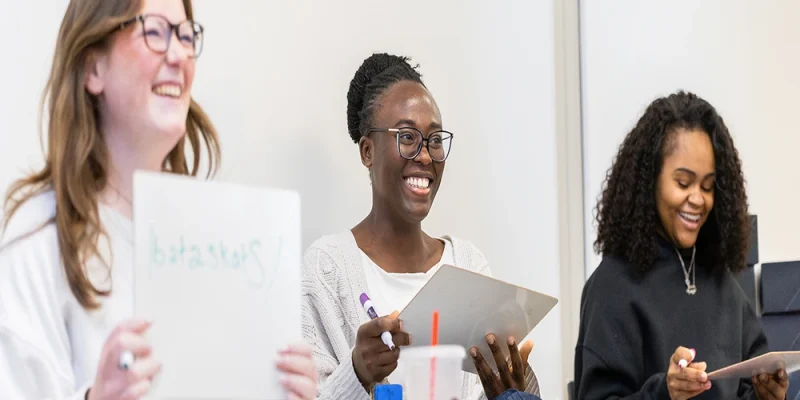
Learning grows faster through meaningful participation with others across different academic settings. Strong communication creates better understanding while thoughtful discussion improves practical knowledge every day. SMU Engage supports meaningful academic participation through structured activities that encourage shared responsibility. Every learning session develops wider thinking while strengthening respect for different viewpoints together. Consistent collaboration prepares learners for changing educational expectations through practical classroom engagement.
Why Do Shared Learning Approaches Improve Student Growth?
Group participation builds confidence through regular discussion with classmates from different backgrounds. Careful interaction improves communication skills while encouraging thoughtful problem solving during every academic activity. Meaningful cooperation also increases responsibility because every learner contributes toward common educational objectives together.
Additional classroom participation strengthens listening habits while creating balanced academic discussions. Strong engagement also improves understanding because different viewpoints explain concepts through simple, practical examples.
Common Questions About Learning Together
Many educators discuss collaborative learning because classrooms now encourage active participation instead of passive observation. SMU Engage helps students develop stronger communication habits while supporting meaningful academic interaction across different learning activities.
| Learning Element | Traditional Method | Collaborative Method | Educational Value |
|---|---|---|---|
| Participation | Limited discussion | Active contribution | Better understanding |
| Communication | Mostly one direction | Open conversations | Clear expression |
| Problem Solving | Independent thinking | Shared reasoning | Better outcomes |
| Knowledge Sharing | Restricted exchange | Continuous discussion | Wider understanding |
| Classroom Engagement | Moderate attention | Active involvement | Stronger participation |
The comparison clearly shows how shared participation creates stronger academic progress. Balanced classroom interaction also supports lasting understanding through regular communication.
Helpful Learning Practices
Students improve classroom participation by following simple learning habits every academic session.
· Respect every viewpoint because different opinions strengthen thoughtful classroom discussions effectively.
· Share useful ideas clearly while encouraging equal participation during every learning activity.
· Listen carefully before answering because patient communication improves overall understanding greatly.
· Complete assigned responsibilities sincerely because teamwork depends upon reliable academic contributions always.
· Support classmates kindly because shared success creates stronger educational relationships over time.
Which Classroom Habits Build Better Cooperation?
Respectful communication develops stronger classroom relationships through regular participation during structured educational activities. Shared responsibility also improves confidence because every contribution supports common academic progress successfully. Positive discussion creates balanced thinking while encouraging better understanding between classmates in every learning session.
Additional interaction strengthens practical knowledge because learners compare ideas before reaching thoughtful conclusions. Consistent participation also improves classroom discipline while supporting meaningful educational development naturally.
Building Respect Through Classroom Participation
Meaningful classroom conversations encourage balanced thinking while improving communication through respectful academic discussions. Shared activities also develop confidence because every learner contributes useful knowledge regularly.
Encouraging Practical Thinking Every Session
Practical classroom tasks improve understanding because learners solve challenges through thoughtful cooperation. Regular participation creates better academic habits while supporting responsible decision-making daily.
Students continue improving through steady communication because consistent practice strengthens every classroom discussion. Respectful interaction also encourages careful observation before presenting useful academic ideas confidently.
Practical Classroom Actions
Simple academic actions help maintain productive classroom cooperation throughout every educational session.
· Encourage respectful conversations because balanced communication creates stronger classroom relationships consistently.
· Organize shared assignments carefully because planning improves academic responsibility every semester.
· Accept constructive suggestions because thoughtful feedback strengthens learning quality throughout classroom activities.
· Value different perspectives because a wider understanding improves discussion quality during every lesson.
· Review completed work together because reflection supports continuous educational improvement effectively.
Lasting Learning Success
Strong education grows through regular participation supported by thoughtful communication in every classroom session. Shared responsibility creates dependable academic habits while improving confidence through meaningful educational activities. Respectful cooperation develops wider understanding because every contribution strengthens collective knowledge naturally. Consistent classroom engagement produces reliable progress through balanced discussion with practical academic participation. Steady learning habits always deliver stronger educational outcomes through patience with continuous improvement.











Comments