
 By
By 
What does the Sonoran Desert Institute cost? For students looking to gain technical expertise in a specific area, this question often plays a central role in their planning. Sonoran Desert Institute (SDI), accredited by the Distance Education Accrediting Commission (DEAC), provides clear information on tuition, fees and financial aid, enabling students to understand the value of their investment. One way SDI aligns education with industry expectations is through focused learning tracks. These tracks concentrate on a single skill set, helping students develop capabilities that directly serve specific sectors.
Employers want more than a degree. They want proof of practical, job-ready skills. To meet this need, SDI integrates targeted training directly into its programs. Rather than spreading attention across unrelated subjects, students follow structured learning paths that focus on the specialized skills required in fields, such as firearms technology and aerial systems operations.
Targeted Education for Real-World Applications
Focused learning tracks are designed to help students develop expertise in specific skill sets that closely align with industry functions and requirements. Concentrating coursework on a single area deepens students’ understanding and enables them to apply it in practical ways. This approach is particularly effective in technical fields where precision, regulatory knowledge, and hands-on ability are essential.
For example, the Certificate in Firearms Technology-Gunsmithing program centers on skills that support repair, customization, and maintenance work. Students study topics such as firearm function, inspection, component fitting, and safety protocols. Each course builds competencies that apply directly to repair shops, customization businesses and manufacturing settings. Rather than sampling a broad range of unrelated subjects, students develop a solid foundation in the practices they will use daily in the field.
A Streamlined Path to Specialized Knowledge
Focused learning tracks provide a structured and streamlined route for professional skill development. Instead of requiring learners to navigate multiple electives or unrelated topics, these tracks prioritize a logical sequence of courses that reinforce one another. Each course builds upon the previous one, allowing students to progress steadily through material that is directly applicable to their chosen area.
This structure can be especially valuable for adults or career changers who want to enter a new field efficiently, without sacrificing educational quality. By focusing on one skill set, students can see tangible progress as they complete each term. They know that every assignment, project and lesson contributes to the same overarching goal of building expertise in a specialized area.
Serving Specific Industry Needs
Many industries rely on specialists who can perform well-defined tasks with accuracy and consistency. Aerial operators must understand flight planning and regulatory compliance. Firearms technicians must know how to inspect, measure, and document components precisely. Employers often seek individuals who can demonstrate specialized abilities rather than broad, generalized knowledge. Focused learning tracks address this need by tailoring education to meet the specific expectations of various sectors.
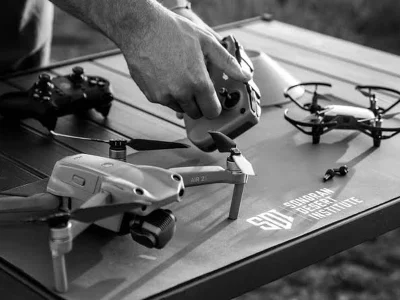
In firearms technology, for example, students may complete projects involving the precise fitting of parts or documenting repair procedures. In aerial systems, students might plan a complex mission that accounts for airspace restrictions, battery capacity, and emergency contingencies. These experiences prepare students to handle real-world responsibilities with confidence and competence.
Clear Skill Outcomes
Another advantage of focused learning tracks is the clarity of skill outcomes. Students know from the beginning what their program is designed to teach, and they can track their progress through each term. Rather than working through generalized coursework that may or may not relate to their goals, they concentrate on skills that have direct applications in specific roles.
For example, a student in the firearms program might begin by learning disassembly and inspection procedures, then move on to more advanced fitting and modification work. Each step reflects the progression of fundamental tasks in a professional environment. A student in the aerial systems program may begin with regulatory studies, before progressing to flight planning and operational execution. This sequence mirrors the responsibilities of certified operators in the field. By following this structure, students can build portfolios of work that reflect their growing abilities, which can be valuable as they pursue opportunities in their chosen industries.
Supporting Career Transitions
Focused learning tracks are not just for recent graduates. Many mid-career learners turn to these programs to make targeted pivots into new fields. Rather than enrolling in lengthy degree programs that cover a wide range of material, they prefer concentrated education, that provides specific skills in a manageable timeframe.
Distance learning makes this transition more accessible. Students can complete their coursework from home, integrating their studies into existing work and family responsibilities. This flexibility appeals to adults who want to prepare for new roles, while maintaining their current commitments. Some students have shared that before enrolling, they weighed the Sonoran Desert Institute cost against their personal and professional goals. The focused learning tracks offer a clear structure and direct relevance to industry needs, making them feel both strategic and practical. Rather than investing in a broad program with uncertain results, students follow a targeted path that aligns closely with the work they aim to pursue.
Career Readiness Through Specialization
Graduates of focused learning tracks are prepared to pursue opportunities in industries that value specialized skills. In the firearms technology field, graduates have gone on to pursue roles in repair shops, customization businesses, manufacturing operations and related fields. In aerial systems, graduates have prepared opportunities in inspection, construction monitoring, agricultural surveying and other sectors, where trained operators are in demand.
This emphasis on career readiness helps explain why the Sonoran Desert Institute’s cost resonates with many learners. Tuition covers access to accredited instruction, structured tracks, and hands-on projects that reflect real industry expectations. Students leave with both theoretical understanding and practical experience in a single, well-defined area.
Why the Investment Matters
When prospective students ask, “What does the Sonoran Desert Institute cost?” The answer often emerges through the design of these focused learning tracks. Tuition gives students access to accredited programs designed to build specialized skills through a clear, focused structure. By concentrating on one skill set at a time, students gain depth, confidence and practical abilities, that match the needs of specific industries.
Targeted education that leads to tangible skills requires a clear and affordable pathway, and that’s precisely what Sonoran Desert Institute’s focused learning tracks provide. Whether in firearms technology or aerial systems, students build competencies that support long-term career goals, through a structured and accessible online model.










Comments