
 By
By 
Key Takeaways
- Hands-on activities help young learners connect ideas through touch, movement, and simple classroom tasks.
- Montessori materials turn abstract ideas like letters and numbers into objects children can see and handle.
- Practical routines build independence as children repeat everyday tasks and gain confidence.
- Shared activities encourage communication, teamwork, and observation among young learners.
Introduction
Busy hands tend to lead curious minds, and that spirit shapes daily life in Montessori classrooms. Children rarely sit through long explanations. Pouring water, arranging wooden shapes, tracing letters, and sorting objects keep young learners engaged while ideas quietly click into place. Within Montessori preschools in Singapore, learning grows through action. Touch, movement, and experimentation guide children toward understanding while turning lessons into lively discoveries.
Exploration begins with simple tools and practical tasks. Young learners pick up materials, test ideas, and repeat activities until confidence builds. A classroom begins to feel like a workshop filled with tiny explorers who discover something new with every attempt.
Learning Begins with the Hands
Movement Strengthens Early Thinking
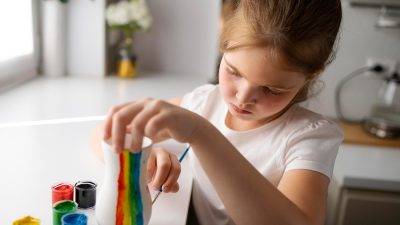
Active exploration forms the centre of many classroom activities. In Montessori playgroups in Singapore, children stack blocks, trace textured letters, and transfer beads between bowls while building coordination and concentration. Each task invites movement, giving young learners a chance to think while doing.
Small physical actions lead to larger learning moments. A child who carefully pours water from one jug into another practises balance and control while quietly strengthening focus. Curiosity grows naturally when learning feels like a puzzle waiting to be solved.
Real Objects Create Clear Connections
Hands-on materials bring lessons to life in the classroom. Instead of listening to long explanations, children interact with objects that represent numbers, letters, shapes, and everyday tasks.
Textures, colours, and physical forms make ideas easier to grasp in playgroups in Bukit Batok, Singapore. A sandpaper letter invites a child to trace its outline while repeating the sound. Counting rods encourage young learners to explore number patterns visually. Learning becomes an experience that children can see, feel, and remember.
Independence Grows Through Practical Tasks
Daily Activities Build Confidence
Practical routines fill the day inside classrooms where Montessori preschools in Singapore organise everyday activities that double as learning exercises. Children fold cloths, water plants, tidy shelves, and practise fastening buttons while building responsibility.
Simple responsibilities bring a quiet sense of achievement. Completing a small task independently feels like solving a tiny mystery. Each success encourages children to attempt another activity, and the classroom gradually fills with determined little problem-solvers.
Choice Encourages Natural Curiosity
Freedom to select tasks shapes the rhythm of the classroom. Across Montessori playgroups in Singapore, shelves display puzzles, counting tools, and creative materials ready for eager learners.
Children gravitate toward activities that spark interest. One learner may spend time arranging coloured rods, while another carefully traces letters on a board. Personal choice keeps motivation alive, turning every corner of the classroom into an invitation to explore.
Shared Activities Build Social Skills
Learning Together Builds Communication
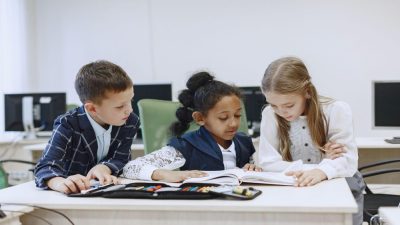
Collaborative play appears frequently in playgroups in Bukit Batok, Singapore. Puzzle tables, building stations, and role-play corners bring children together for shared discovery while giving every child a small role to play. Conversation begins naturally when children work side by side, whether they are holding puzzle pieces, passing blocks, or arranging shapes.
One learner may search for a missing piece while another suggests where it might fit, and a third child may test the idea. Interactions like these encourage children to speak, listen, and respond to each other while learning patience, turn‑taking, and cooperation. Shared tasks also introduce new ideas, as classmates demonstrate different ways to complete the activity and others quickly try the same method.
Observation Inspires New Attempts
Quiet observation plays an important role across Montessori preschools in Singapore classrooms. Children frequently pause to watch a classmate complete a task before attempting the same activity themselves, studying each movement and step with careful attention.
Observation also shapes learning in Montessori classrooms, as children study how classmates complete tasks before attempting the same activity themselves. A child may observe how a friend balances blocks or ties a ribbon before repeating the same action independently. Curiosity grows while learners test the activity on their own, and repeated attempts gradually build confidence as children refine their movements after each try in playgroups in Bukit Batok, Singapore.
Conclusion
Hands-on learning gives children meaningful experiences that build confidence, curiosity, and coordination. Movement, exploration, and practical tasks guide young learners toward understanding while keeping the classroom lively and engaging.
Families exploring Montessori playgroups in Singapore may notice how naturally children interact with their surroundings in these environments. Activity replaces passive listening, and discovery becomes part of the daily routine. A visit to a local Montessori classroom also reveals how shared materials and practical activities encourage curiosity, communication, and confident participation among young learners.
Visit Brighton Montessori today to see how hands-on learning encourages young minds to explore, experiment, and grow through meaningful classroom experiences.




Comments