
 By
By 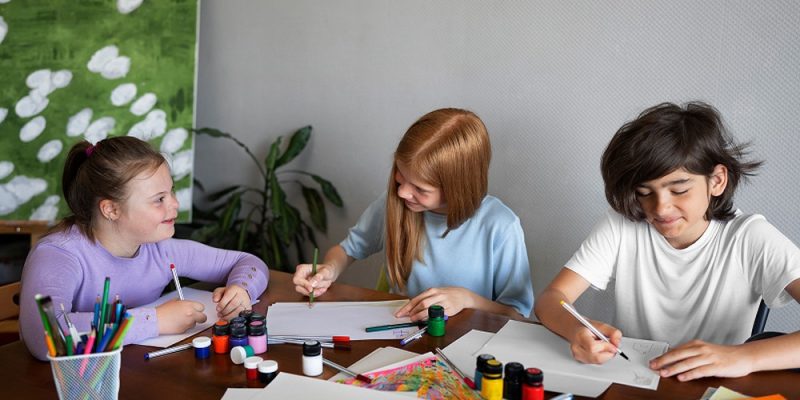
Key Highlights:
- Creative problem-solving emerges naturally when children experiment with materials and techniques.
- Social collaboration strengthens as young artists share ideas and work alongside peers.
- Fine motor skills develop through hands-on manipulation of various craft supplies.
- Self-confidence builds when children complete projects and receive positive feedback.
Introduction
Crafts workshops offer children far more than just fun activities to fill their afternoons. These hands-on sessions deliver practical skills that shape how young minds approach problems, interact with others, and build confidence in their abilities. A quality crafts workshop in Singapore becomes a learning ground where creativity meets essential life skills.
1. Creative Problem-Solving Takes Centre Stage
When children step into a crafts workshop in Singapore, they encounter challenges that textbooks rarely present. Perhaps the paint colours aren’t mixing the way they imagined, or the clay keeps cracking before it takes shape. These moments become opportunities rather than setbacks because crafting demands improvisation.
A children’s art class encourages young minds to think beyond prescribed solutions. If the original plan fails, they learn to pivot and try alternative approaches. This kind of adaptive thinking translates directly into academic subjects and everyday situations where flexibility matters more than following rigid instructions.
Unlike structured lessons where answers are predetermined, craft workshops allow children to explore multiple pathways towards their creative vision. They discover that mistakes can actually spark better ideas, and that the process of creating holds as much value as the finished product itself.
2. Collaboration and Communication Flourish Naturally
Group activities within a crafts workshop in Singapore create organic opportunities for children to exchange ideas and techniques. When one child discovers an effective way to fold paper or blend colours, others gather around to observe and learn. This peer-to-peer knowledge sharing builds communication skills that extend far beyond the art table.
Children practising in a children’s art class often work on collaborative projects that require negotiation and compromise. They learn to articulate their artistic intentions whilst remaining open to suggestions from classmates. These interactions teach valuable lessons about respecting different perspectives and finding common ground when working towards shared goals.
The social dimension of crafting workshops helps shy children find their voice through a medium that feels less intimidating than verbal communication alone. Art becomes a language that bridges gaps between personalities and abilities, fostering friendships that might not develop in traditional classroom settings.
3. Fine Motor Skills and Spatial Awareness Develop Steadily
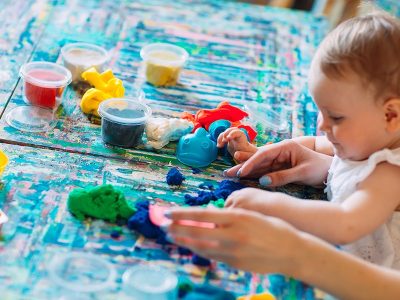
Handling scissors, threading beads, moulding clay, and applying precise brushstrokes all contribute to strengthening the small muscles in children’s hands and fingers. These activities within a crafts workshop in Singapore provide essential developmental practice that supports handwriting, typing, and other tasks requiring dexterity.
Beyond manual coordination, children’s art classes help young participants understand spatial relationships and dimensions. They learn to judge distances, estimate proportions, and visualise how three-dimensional objects translate onto two-dimensional surfaces. This spatial reasoning proves invaluable in subjects like mathematics and science, where abstract concepts need concrete understanding.
The repetitive nature of many craft activities builds muscle memory whilst simultaneously improving concentration spans. Children become more patient and deliberate in their movements, developing the kind of focused attention that benefits all areas of learning.
4. Self-Esteem Grows Through Tangible Achievement
Completing a craft project provides children with concrete evidence of their capabilities. Unlike test scores that measure performance against standards, a finished artwork represents personal achievement that children can see, touch, and share with pride. This tangible success builds confidence in ways that abstract academic assessments sometimes fail to deliver.
A crafts workshop in Singapore offers children the rare experience of creating something entirely their own. The autonomy inherent in artistic decisions empowers young creators to trust their instincts and value their unique perspectives. When adults and peers respond positively to their work, children internalise the message that their contributions matter.
The iterative nature of crafting also teaches resilience because children witness their own improvement over time. Early attempts might look clumsy, but subsequent projects demonstrate growing mastery. This visible progress reinforces the growth mindset that effort leads to improvement, a lesson that serves children throughout their educational journey and beyond.
Conclusion
Enrolling children in creative programmes offers returns that extend well beyond artistic skills alone. The problem-solving, collaboration, motor development, and confidence-building that emerge from hands-on creative work prepare young people for challenges they’ll encounter throughout life. These workshops transform simple materials into powerful learning experiences that shape capable, confident individuals.
Contact Kaleida Studio today and give them access to a hands-on DIY art and craft space in Singapore where imagination meets skill-building. Book a session now and watch them create, learn, and grow.








Comments