
 By
By 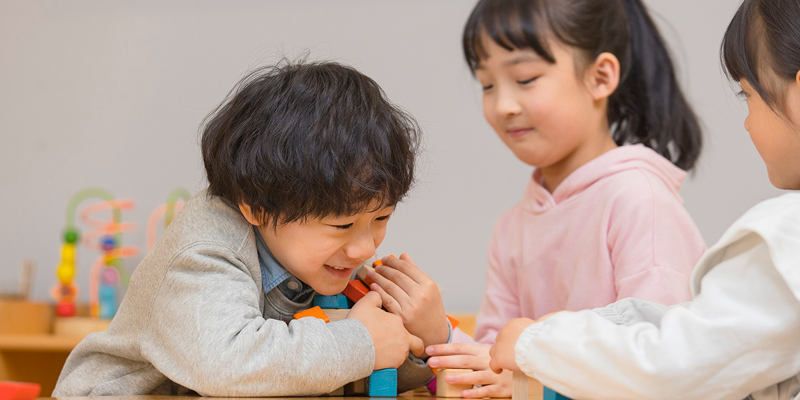
Key Takeaways
- A strong preschool curriculum builds cognitive, social, and emotional foundations
- Language-rich environments, including Mandarin exposure, support bilingual confidence
- Play-based learning encourages curiosity, resilience, and problem-solving
- Structured routines help children feel secure while exploring independence
- Early education shapes attitudes towards learning that last well beyond primary school
Introduction
Step into any thoughtfully planned classroom, and it becomes obvious that early education is never random. The colours on the wall, the reading corner tucked by the window, the quiet hum of children negotiating over blocks, it all follows a plan. Behind the songs and storytelling sits a carefully designed preschool curriculum that does far more than fill a timetable.
In Singapore, where education often feels like a marathon that starts early, the foundations laid in the first few years matter deeply. But what exactly makes a curriculum powerful enough to shape lifelong learning? And how does something as simple as daily routines influence confidence ten years later?
Learning Through Play, But With Purpose
Play sometimes gets dismissed as “just play”. Yet in a high-quality preschool curriculum, play carries structure and intent. When children sort shapes, they build early maths logic. When they role-play in a mini hawker stall set-up, they practise language, negotiation, and social awareness.
It may look casual. It isn’t.
Teachers design activities with clear developmental goals, drawing from frameworks such as Singapore’s Nurturing Early Learners guidelines. The aim is not to rush academic skills, but to strengthen thinking habits. Curiosity becomes routine and asking questions feels natural. That mindset stays with a child long after phonics worksheets are forgotten.
And here’s the subtle part: when children associate learning with joy rather than pressure, they approach Primary One with less anxiety. That emotional memory matters.
Language As A Living Experience
Bilingualism is woven into daily life here. From MRT announcements to National Day songs, switching between languages feels normal. A strong preschool curriculum reflects that reality, especially in a Mandarin preschool setting where language is lived, not memorised.
Instead of drilling vocabulary lists, children hear stories, sing rhymes, and chat during snack time in Mandarin. Language becomes part of play. When a child confidently orders imaginary carrot cake in Mandarin during role-play, that comfort builds steadily.
Research has long shown that early language exposure strengthens cognitive flexibility. Children who navigate more than one language often show sharper problem-solving skills. But beyond brain development, there’s identity. In a Mandarin preschool, cultural stories and festivals such as Mid-Autumn or Chinese New Year are experienced firsthand. Lantern-making isn’t just craft time; it connects heritage with belonging.
That emotional connection helps children see language not as a subject, but as part of who they are.
Structure That Feels Safe
Children thrive on routine. It sounds almost contradictory. Isn’t creativity about freedom? Yes, but freedom works best within safe boundaries.
A predictable schedule within a preschool curriculum creates security. Circle time follows arrival, and outdoor play follows snack. This rhythm allows children to focus on learning rather than worrying about what happens next. For a four-year-old, that predictability reduces stress in a very real way.
Over time, structured environments also nurture executive function. Waiting for a turn. Packing away materials. Listening to instructions before starting a task. These habits might seem small, but they prepare children for more complex demands in primary school and beyond.
Social Skills: The Quiet Curriculum
Academic content often takes the spotlight, yet social learning runs quietly in the background. Sharing toys. Resolving disagreements. Expressing frustration without tears, or at least with fewer tears.
A well-designed preschool curriculum intentionally builds these moments into daily life. Teachers guide children through conflict resolution rather than stepping in too quickly. Emotional vocabulary is introduced gently. “Are you feeling disappointed?” becomes a bridge to self-awareness.
In Singapore’s diverse society, classrooms mirror a mix of cultures and languages. Exposure to different backgrounds fosters empathy early. It’s one thing to teach kindness; it’s another to practise it every day with classmates from different walks of life.
These experiences shape not just academic learners, but also considerate citizens.
Preparing For Primary School Without Rushing It
There is always that quiet question in parents’ minds. Will this prepare my child for primary school?
A balanced preschool curriculum answers that concern without turning the classroom into a mini primary school. Foundational literacy and numeracy skills are introduced gradually. Meanwhile, students learn phonics through songs, counting through cooking activities, and science through simple experiments with water and sand.
When children explore cause and effect by watching ice melt in Singapore’s heat, they build early scientific thinking. When they measure ingredients for pretend kueh-making, maths feels practical and real.
Preparation does not mean pressure. It means readiness. Children enter Primary One with confidence, not burnout.
The Long View
The effects of early education are rarely dramatic at first glance. There is no instant trophy. Instead, the impact shows up slowly sch as a teenager who manages time well, a university student who asks thoughtful questions and an adult who adapts to change with resilience.
Those qualities often trace back to early habits shaped by a strong preschool curriculum. Confidence in communication from a Mandarin preschool environment. Comfort with teamwork. The instinct to stay curious rather than shut down when faced with difficulty.
Education is cumulative. Each year builds on the last. When the first layer is stable, the rest stands stronger.
Conclusion
A well-designed preschool curriculum does more than teach letters and numbers. It shapes attitudes, habits, and emotional resilience that echo through a lifetime. From structured routines to bilingual immersion in a Mandarin preschool setting, each element contributes to a child’s sense of competence and belonging.
For families in Singapore seeking an early education environment that balances academic foundations with joyful discovery, the choice of curriculum truly matters. Explore programmes that prioritise holistic growth and cultural connection. Schedule a tour at Orange Tree Preschool to learn how their approach can support your child’s lifelong learning journey.









Comments