
 By
By 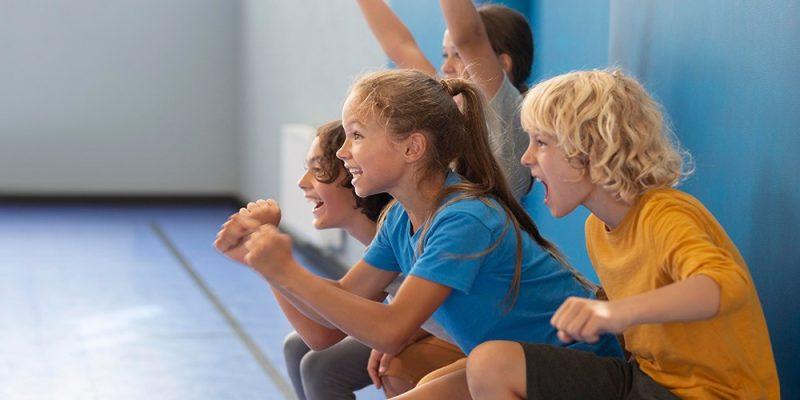
Key Takeaways
- Children build coordination, posture, and movement confidence during structured gym sessions.
- Guided activities nurture teamwork, listening skills, and playful discipline habits.
- Early movement training strengthens muscle awareness and spatial control.
- Gym routines encourage body confidence while keeping lessons fun and imaginative.
Introduction
Ever noticed how children treat climbing frames like mini mountain expeditions? Energy levels stay sky high when movement feels like play, which explains why gym classes for kids remain popular with parents who want structured physical learning without turning it into a chore. Sessions blend guided exercises, games, and creative challenges that develop motor skills while keeping attention fully engaged.
Tiny learners benefit from movement exploration during their early years as well. Structured play found in gym classes for toddlers in Singapore introduces young children to balance, coordination, and body awareness while keeping activities light-hearted and safe. Structured sessions also help children grow comfortable working within group settings, building confidence alongside physical development.
Developing Balance Through Playful Movement
Learning Body Control Step by Step
Wobbly beam walks, hopping drills, and playful obstacle courses help children understand body positioning during gym classes for toddlers in Singapore. Watching little feet concentrate on staying centred can look like tightrope training, minus the circus tent. Activities guide children into recognising how weight shifts during movement, building natural balance control without rigid drills.
Coordination grows gradually as children repeat playful exercises. Beam walking builds posture awareness, while one-leg hops train muscle coordination. Movement games introduce challenges without pressure, helping children enjoy progress without performance stress.
Confidence Begins With Small Wins
Fear can creep in when children attempt unfamiliar movements. Encouraging environments found in gym classes for kids give younger learners the chance to experiment safely. Crawling tunnels, padded rolls, and mini climbing structures teach body control through discovery.
Comfort with movement builds confidence outside the gym floor. Children who gain balance skills frequently show improved posture while walking, running, or playing at playgrounds. Little victories, like completing a wobble board task, can spark big smiles and stronger self-belief.
Improving Flexibility Through Active Exploration
Stretching That Feels Like Adventure
Stretching exercises can feel dull when presented as routine drills. Creative movement games change that perception during gym classes for kids. Animal-themed stretches, imaginative story movements, and playful yoga sequences encourage flexibility while keeping attention intact.
Children enjoy pretending to stretch like cats, leap like frogs, or reach like tall giraffes. Dynamic stretching improves joint mobility and muscle elasticity, helping young bodies adapt to different movement patterns without stiffness.
Gentle Range Building for Younger Learners
Flexibility training begins early, and gym classes for toddlers in Singapore introduce gentle movement routines designed for small bodies. Rolling exercises, guided crawling paths, and playful reaching games nurture flexibility naturally during play.
Expanding movement range helps toddlers develop smoother walking and climbing patterns. Controlled stretching also improves comfort during everyday movements, making playground activities feel easier and safer.
Building Strength Through Fun Challenges
Strength Training Disguised as Play
Pulling ropes, hanging bars, and mini climbing walls bring excitement while strengthening muscles during gym classes for kids. Tasks mimic playground fun while targeting grip strength, arm power, and core stability. Children rarely notice they are working muscles because activities feel like play missions.
Core strength receives attention through rolling drills, balance board games, and crawling races. Strong core muscles contribute to posture control, sitting stability, and safer movement patterns during sports and recreational play.
Developing Muscle Awareness Early
Young learners gain early muscle awareness during gym classes for toddlers in Singapore through safe and guided exercises. Soft climbing blocks, push activities, and crawling paths introduce resistance in a playful environment.
Developing muscle control helps toddlers handle everyday movements confidently. Standing, climbing, and walking require coordination between muscle groups, and structured movement games help build those connections gradually.
Social and Cognitive Skills Built Through Movement
Teamwork Through Shared Activities
Relay races and partner drills bring children together during gym classes for kids. Shared obstacle courses encourage turn-taking, listening, and simple cooperation while keeping the pace lively. Working alongside peers helps children practise communication in a natural and playful setting.
Learning Through Movement-Based Interaction
Mirroring instructor demonstrations builds attention and quick thinking. Group tasks and short activity sequences challenge memory while keeping routines active and engaging. Coordinating movements with others connects physical control with focus in a way that feels like play, not a lesson.
Conclusion
Physical development grows stronger when children explore movement through guided play, teamwork activities, and imaginative exercises. Structured sessions create safe environments where children practise balance, flexibility, and muscle control while enjoying group interaction. Families seeking active programmes that blend fun with physical learning can explore structured gym training designed for growing bodies and developing confidence.
Contact BearyFun Gym today to discover programmes tailored to help children build strength, coordination, and joyful movement habits.







Comments