
 By
By 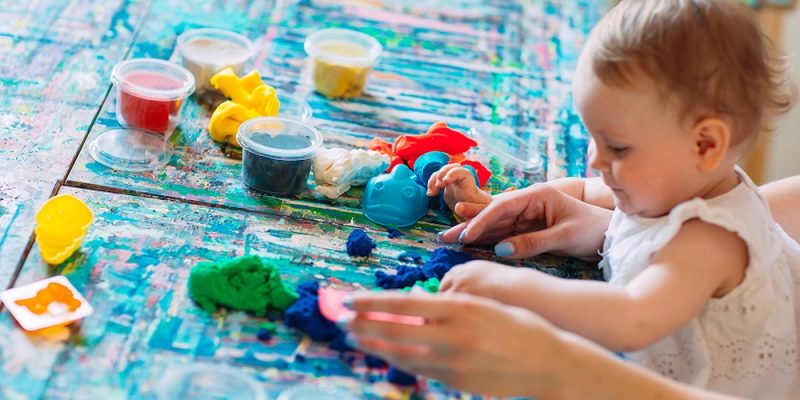
Key Takeaways
- Creative play builds coordination and control through repeated hands-on activities daily.
- Open-ended tasks encourage thinking, helping children make choices and solve simple problems.
- Group creative sessions help children learn sharing, turn-taking, and basic communication.
- Familiar creative setups help children feel at ease and take part with growing confidence.
Introduction
Creative play adds colour, movement, and small bursts of discovery into a child’s day. Drawing, building, and role-play give children space to explore ideas with less pressure and fewer rigid steps, while still keeping them engaged through familiar routines. Parents exploring options may notice how often creative sessions appear in childcare in Redhill, Singapore, giving children a steady rhythm where expression feels natural and participation comes with less hesitation.
Creative Play Builds Everyday Skills
Hands-On Activities Strengthen Coordination
Holding crayons, stacking blocks, or shaping clay brings small movements into focus, helping children gain better control over time. Each action becomes smoother with practice, and what starts as a simple task slowly turns into something more precise as coordination improves. Play keeps things light, so progress unfolds in a way that still feels enjoyable while quietly building control and awareness.
Repetition Turns Play Into Progress
Returning to the same activity gives children room to adjust, refine, and try again with a slightly different touch each time. A drawing may begin with a few lines and later gain shape and detail, showing how steady repetition builds confidence with less need for constant guidance. Familiar tasks also reduce hesitation, making it easier for children to stay engaged for longer.
Creative Expression Supports Thinking
Imagination Encourages Problem Solving
Open-ended activities invite children to make choices as they go, whether deciding where to place a block or how a story unfolds. Each small decision adds to their understanding of cause and effect, helping them think through ideas in a simple and natural way. Play becomes a quiet thinking exercise that blends curiosity with action.
Structured Plans Guide Exploration
A childcare curriculum gives creative sessions a clear direction while still leaving room for exploration and flexibility. Activities follow a loose plan that introduces ideas while keeping imagination open, and in childcare in Redhill, Singapore, children move through these sessions at a pace that feels comfortable. Structure stays present in the background, giving shape to each activity without interrupting creativity.
Social Interaction Grows Through Creative Work
Group Activities Encourage Participation
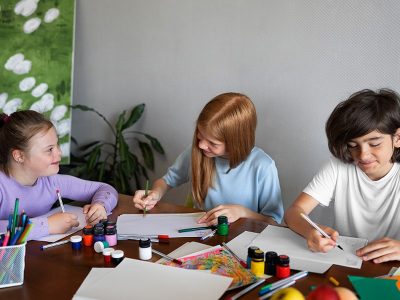
Shared projects bring children together through familiar tasks like drawing or building, creating a setting where participation feels natural. These activities help children ease into group interaction, and within childcare in Redhill, Singapore, they begin to pick up simple social habits like waiting, sharing, and taking turns while staying focused on the task at hand.
Communication Develops During Play
Creative sessions naturally invite conversation, whether children describe what they are making or respond to others around them. Group-based tasks within a childcare curriculum prompt children to express ideas, helping them grow more comfortable using their voice while also learning to listen and respond.
Emotional Expression Finds a Safe Outlet
Creative Time Offers a Release
Painting, drawing, or pretend play gives children a way to show feelings even when words are not yet clear. A scribble or a short story can carry meaning, and that freedom helps children release emotions in a simple and safe way while staying engaged in the activity.
Familiar Settings Encourage Confidence
Repeated creative setups help children feel settled, making it easier to take part with confidence and ease. Familiar materials and layouts create a space where children feel ready to share ideas, and this sense of ease becomes clear in childcare in Redhill, Singapore as children return to activities with growing comfort each time.
Conclusion
Creative activities bring together movement, imagination, and interaction in ways that feel natural to young children. Each session offers a chance to explore, adjust, and take part with ease, helping children build skills over time through simple, repeated play.
Check out KidsCampus today to learn how creative programmes and thoughtful planning can shape your child’s daily learning experience.







Comments