
 By
By 
Key Takeaways
- Ballet training engages deep stabilising muscles that traditional gym workouts often overlook.
- Consistent practice significantly improves spinal alignment and counteracts the physical toll of sedentary office work.
- Structured classes offer a low-impact method to increase joint mobility and functional flexibility.
Introduction
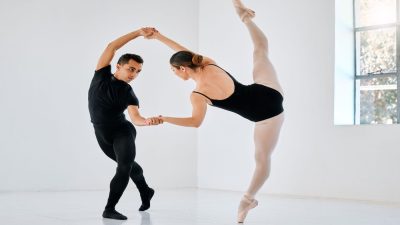
Nowadays, fitness trends prioritise high-intensity interval training or heavy weightlifting, yet the discipline of classical dance offers a comprehensive alternative for full-body conditioning. Ballet fitness combines the technical precision of traditional dance with modern exercise science to target specific muscle groups, focusing on isometric strength and eccentric movements, which lengthen the muscles while under tension. Many individuals turn to this practice to achieve a balanced physique that emphasises functional strength over bulk. By integrating these movements into a routine, participants develop a heightened sense of bodily awareness that carries over into their daily physical activities.
Developing Functional Strength and Core Stability
The foundational movements in beginner ballet classes for adults focus heavily on the core, which acts as the central anchor for all limbs. Unlike standard abdominal exercises that target only the superficial muscles, ballet requires the constant engagement of the transverse abdominis and the pelvic floor, which support the spine and facilitate the light, effortless movements associated with the art form. When you perform a simple plié or tendu, you are stabilising your entire torso against the forces of gravity. BalletBody instructors emphasise this continuous muscular engagement to ensure that participants build a solid foundation that prevents lower back pain and improves overall athletic performance.
Furthermore, beginner ballet classes for adults condition the smaller, supporting muscles in the feet, ankles, and calves that many other sports neglect. The repetitive nature of rising onto the balls of the feet and maintaining turned-out positions builds significant endurance in the lower limbs, which proves essential for balance and coordination as the body ages. Within the environment of ballet fitness, these movements undergo modification to suit different fitness levels, ensuring that everyone can build strength at a sustainable pace. By strengthening the muscles around the joints, particularly the knees and hips, participants create a natural support system that reduces the risk of impact-related injuries during other forms of exercise.
Enhancing Flexibility and Rectifying Postural Imbalances
One of the most celebrated benefits of adult ballet involves the gradual and safe increase in a person’s range of motion. Ballet movements require the limbs to move through their full potential, stretching the hamstrings, hip flexors, and shoulders. Unlike static stretching, ballet utilises dynamic movements that heat the muscles and increase blood flow, making the stretching process more effective and less prone to causing strains. Regular attendance at a studio like BalletBody enables the body to adapt to these new lengths, leading to a visible improvement in flexibility.
Postural correction represents another significant advantage for those who spend long hours at a desk or behind a steering wheel. The discipline requires a constant lift through the crown of the head and the knitting of the ribs, which naturally aligns the vertebrae. Through the benefits of adult ballet, practitioners learn to roll their shoulders back and down, opening the chest and reversing the forward-slouching habit common in the digital age, which increases lung capacity by allowing the diaphragm to move more freely. This corrected posture becomes a subconscious habit, leading to reduced neck tension and a more confident physical presence in both professional and social settings.
5 Essential Components of a Ballet Workout
- Barre Work – Utilising a fixed support to perform movements that isolate the glutes, thighs, and calves while maintaining balance.
- Port de Bras – Developing upper body coordination and arm strength by moving through specified positions with controlled resistance.
- Adagio – Performing slow, controlled movements that require immense core strength and focus to sustain long muscular lines.
- Centre Practice – Executing steps without the support of the barre to challenge stability and spatial awareness.
- Allegro – Incorporating brisk, energetic jumps that improve cardiovascular health and bone density through controlled impact.
Conclusion
Enrolling in beginner ballet classes for adults provides a pathway to a more resilient and agile body. By combining the principles of ballet fitness with a dedicated practice, individuals can transform their physical capabilities regardless of their previous experience. The unique blend of strength, flexibility, and postural work ensures that the body remains functional and pain-free. Studios such as BalletBody provide the structured environment necessary to master these techniques safely and effectively. Ultimately, the physical rewards of ballet extend far beyond the studio, offering a disciplined approach to health that benefits the mind and body in equal measure.
Elevate your fitness routine with the precision of ballet. Contact BalletBody to book your introductory session and start your journey toward a stronger, more flexible physique.






Comments